Uncovering myths and truths about casino gambling
The Illusion of Control in Casino Games
One common myth surrounding casino gambling is the belief that players can control the outcome of games through skill or strategy. Many players think that if they master the rules and techniques of games like blackjack or poker, they can guarantee themselves a win. However, while skill does play a significant role in certain games, it’s essential to remember that most casino games have an element of randomness, largely driven by chance, such as a secure online casino with fast withdrawal options that enhances the player’s experience. This unpredictability is what keeps the excitement alive, but it also means that outcomes are not entirely within the player’s control.
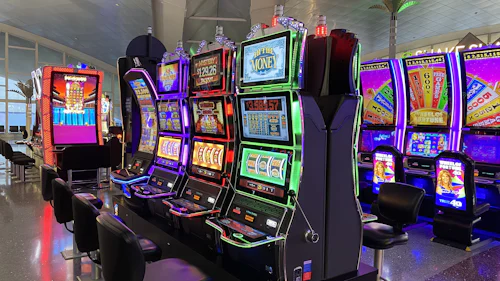
Take slot machines, for instance. They are designed with random number generators (RNGs) that dictate when and how often payouts occur. No matter how much a player studies the machine or believes in a pattern, the results are completely unpredictable. This unpredictability is integral to what makes these games enticing, drawing players in with the promise of potential big wins while masking the underlying risks. Understanding this aspect can help players manage their expectations and approach the games with a more realistic mindset.
Furthermore, the concept of “hot” and “cold” machines perpetuates this myth. Many gamblers believe they can identify machines that are due for a payout or have been lucky recently, leading to a misguided sense of confidence. In reality, every play on a slot machine is independent; past results do not influence future outcomes. Recognizing the randomness inherent in these games can help players avoid the pitfalls of chasing losses or developing unhealthy gambling habits.
The House Edge: Understanding the Odds
Another prevalent myth is that gambling can be a quick path to wealth. Many people enter casinos with dreams of hitting jackpots and leaving with pockets full of cash. However, the reality is that all casino games are designed with a house edge, which ensures that, over time, the casino will always make a profit. This means that while individual players may experience short-term wins, the odds are stacked against them in the long run. Understanding this concept is crucial for anyone considering gambling as a form of entertainment.
The house edge varies from one game to another; for example, blackjack typically has a lower house edge than slot machines. Players who take the time to understand these odds can make more informed decisions about which games to play and how much to wager. Nevertheless, even in games with favorable odds, the house advantage means that a sustained winning streak is highly unlikely, and losses will inevitably occur. This knowledge can help players set realistic budgets and timelines for their gambling activities.

It’s also crucial for players to understand variance and volatility in casino games. Some games may provide frequent small wins, while others yield larger payouts but less often. This misunderstanding can lead players to misinterpret their gambling experiences, resulting in frustration and poor financial decisions due to unrealistic expectations regarding their chances of winning big. By recognizing how different games operate, players can better manage their emotions and strategies when engaging in gambling.
Gambling Addiction and Responsible Gaming
Amidst the excitement and thrill of casino gambling lies a serious issue: the potential for addiction. Many gamblers believe they can stop whenever they want or that they simply have bad luck during their visits. This mindset can prevent individuals from recognizing the signs of problem gambling, which can lead to devastating financial consequences for both the individual and their families. Understanding the fine line between casual enjoyment and compulsive behavior is essential for maintaining a healthy relationship with gambling.
It’s crucial to differentiate between casual gambling and compulsive behavior. Responsible gaming means understanding one’s limits and ensuring that gambling remains a form of entertainment rather than a source of stress or financial hardship. Education around gambling addiction is vital, as it helps individuals recognize when their behavior may be crossing a line, allowing them to seek help before it becomes too late. Awareness of the warning signs can empower individuals to take proactive steps toward maintaining control.
Many casinos now offer resources to promote responsible gaming, including self-exclusion programs and counseling services. These initiatives aim to provide support to those struggling with gambling addiction, emphasizing that recognizing the problem is often the first step toward recovery. Players should be aware of these resources and utilize them if they find themselves in need, demonstrating that responsible gambling is a shared responsibility among operators and players alike. By fostering an environment of support and awareness, the gambling community can work together to combat addiction.
The Role of Luck vs. Skill in Gambling
One enduring debate in the gambling community is the balance between luck and skill. While some games are predominantly chance-based, others, such as poker, significantly involve elements of strategy and skill. Casual players may underestimate the importance of skill in these games, believing that winning is solely about luck. This misconception can skew their understanding of how to improve their chances of winning. Recognizing the components of skill involved in various games can enhance a player’s approach and overall experience.

In skill-based games, knowledge and experience can provide players with a competitive edge. For instance, understanding the odds of various hands in poker, reading opponents, and managing one’s bankroll are skills that can lead to long-term success. However, even skilled players must acknowledge the role that luck plays, such as card distribution or unpredictable player behavior, reminding them that no player can always guarantee a win. This blend of skill and chance makes for a dynamic gaming environment that keeps players engaged.
Conversely, games like roulette and slot machines are heavily reliant on luck. Players often spend money hoping a lucky streak will hit, but because the outcomes are random, players must approach these games with the understanding that their results are purely a matter of chance. Recognizing this distinction helps players set realistic expectations and fosters a healthier relationship with gambling as a whole. By appreciating the nature of different games, players can navigate their gambling experiences more effectively.
Finding Reliable Information in the Gambling World
In an era where misinformation can spread rapidly, it’s crucial for gamblers to seek reliable sources of information regarding casino gambling. The landscape of gambling is constantly evolving with new games, regulations, and technologies, making it essential for players to stay informed. Resources that provide accurate guidance and insights can empower players to make educated decisions, reducing the chance of falling prey to myths and misconceptions. Understanding where to find credible information is as important as the gambling experience itself.
Online forums, educational websites, and trusted gambling blogs can serve as valuable platforms for sharing knowledge about various aspects of gambling, from card strategies to understanding odds. However, players must remain discerning about where they obtain their information. Consuming content from reputable sources helps to ensure that they are not being misled by sensationalized claims or anecdotal experiences that do not reflect the broader gambling industry. This critical approach is essential for responsible gambling.
Ultimately, a well-informed gambler is a more responsible gambler. Encouraging access to accurate resources, coupled with a critical mindset, aids players in navigating the complexities of casino gambling. As the gambling ecosystem continues to grow and adapt, individuals must take the initiative to educate themselves in order to enhance their gaming experience while minimizing risks associated with their activities. By prioritizing knowledge, players can enjoy their experiences while being mindful of the potential pitfalls.