
Casino Bonus ohne Einzahlung im Jahr 2026: Welche neuen Angebote warten auf Sie?


Im Jahr 2026 erfreuen sich Casino-Boni ohne Einzahlung großer Beliebtheit bei Spielern, die auf der Suche nach risikofreien Möglichkeiten sind, um Online-Casinos auszuprobieren. Viele Anbieter haben mittlerweile attraktive Optionen, wie zum Beispiel casino ohne einzahlung , die es ermöglichen, ohne finanzielles Risiko zu spielen. Dieser Artikel führt Sie durch die neuesten Angebote und erklärt, wie Sie von diesen verlockenden Boni profitieren können. Erfahren Sie mehr über die verschiedenen Arten von Boni, die vorgeschlagen werden, und wie Sie die besten Optionen für sich auswählen können.

Was Spieler wissen müssen, bevor sie beginnen

Bevor Sie sich in die Welt der Online-Casinos stürzen, ist es wichtig, ein klares Verständnis der verschiedenen Boni zu haben, die angeboten werden. Ein Casino-Bonus ohne Einzahlung ermöglicht es neuen Spielern, ein Konto zu erstellen und Echtgeldspiele zu spielen, ohne eine Einzahlung vornehmen zu müssen. Oft werden solche Boni in Form von Bonusguthaben oder Freispielen angeboten. Es ist jedoch wichtig, die damit verbundenen Bedingungen zu kennen, wie zum Beispiel die Umsatzanforderungen, die typischerweise zwischen 40x und 60x liegen können.

Darüber hinaus sollten Spieler die maximale Auszahlung, die oft zwischen 50 und 100 Euro liegt, sowie die Spielzeit und die Anzahl der Freispiele, die zur Verfügung stehen, beachten. Ein gründliches Verständnis dieser Aspekte hilft Ihnen, kluge und informierte Entscheidungen bei der Auswahl eines Online-Casinos zu treffen.

Wie man mit Casino-Boni ohne Einzahlung beginnt

Der Einstieg in die Welt der Online-Casinos ist einfach, insbesondere wenn Sie von einem Bonus ohne Einzahlung profitieren möchten. Hier sind die Schritte, die Sie befolgen sollten, um sicherzustellen, dass Sie das Beste aus Ihrem Bonus herausholen:

  1. Account erstellen: Besuchen Sie die Website des Casinos und registrieren Sie sich für ein neues Konto.
  2. Details verifizieren: Geben Sie die erforderlichen Informationen an und bestätigen Sie Ihre Identität.
  3. Bonus aktivieren: Suchen Sie nach dem Bonus ohne Einzahlung und aktivieren Sie ihn gemäß den Anweisungen.
  4. Spielauswahl treffen: Wählen Sie aus den verfügbaren Spielen, die Sie mit Ihrem Bonusguthaben spielen möchten.
  5. Spielen und Gewinne erzielen: Nutzen Sie Ihr Bonusguthaben oder Ihre Freispiele, um Spiele auszuprobieren und dabei Gewinne zu erzielen.
  • Einfacher Registrierungsprozess
  • Risikofreies Spielen ohne Einzahlung
  • Vielfältige Spielauswahl

Praktische Details zu Casino-Boni ohne Einzahlung

Wenn es um Casino-Boni ohne Einzahlung geht, ist es von zentraler Bedeutung, die genauen Aspekte der Angebote zu verstehen. Die meisten Casinos bieten in der Regel Bonusguthaben zwischen 10 und 30 Euro oder eine bestimmte Anzahl von Freispielen an, die sich ideal für neue Spieler eignen. Diese Boni sind eine hervorragende Möglichkeit, verschiedene Spiele zu testen und das Casino risikofrei kennenzulernen.

Zu beachten ist, dass die Umsatzanforderungen, die Sie erfüllen müssen, variieren können. Sie liegen normalerweise zwischen 40-60x, was bedeutet, dass der Betrag, den Sie gewonnen haben, 40 bis 60 Mal umgesetzt werden muss, bevor Sie eine Auszahlung vornehmen können. Spieler sollten sich zudem bewusst sein, dass Cashback-Optionen seltener angeboten werden, was den Fokus auf die besonderen Gewinnchancen durch Freispiele und Bonusguthaben erhöht.

  • Bonusguthaben von 10 bis 30 Euro
  • Freispiele zwischen 10 und 100 Spins
  • Maximale Auszahlung von 50 bis 100 Euro

Indem Sie diese Details beachten, können Sie fundierte Entscheidungen treffen und Ihre Spielerfahrung maximieren.

Wichtige Vorteile von Casino-Boni ohne Einzahlung

Die Vorteile von Casino-Boni ohne Einzahlung sind vielfältig und bieten neuen Spielern die Möglichkeit, ihre Lieblingsspiele ohne finanzielles Risiko auszuprobieren. Diese Art von Bonus ist besonders attraktiv für Anfänger, die in die Welt des Online-Glücksspiels eintauchen möchten, ohne ihr eigenes Geld riskieren zu müssen.

  • Risikofreies Spielen – Testen Sie das Casino ohne Einzahlung.
  • Vielfältige Spiele – Genießen Sie eine breite Auswahl an Spielautomaten und Tischspielen.
  • Einfache Anwendung der Boni – Die meisten Casinos haben klare Anleitungen zur Aktivierung.
  • Chancen auf echte Gewinne – Nutzen Sie die Möglichkeit, echtes Geld zu gewinnen.

Die Möglichkeit, mit einem Bonus ohne Einzahlung zu spielen, bringt eine aufregende Dimension in Ihr Spielerlebnis und könnte Ihnen helfen, einige bedeutende Gewinne zu erzielen.

Vertrauen und Sicherheit in Online-Casinos

Ein weiterer wichtiger Aspekt, den Sie bei der Auswahl eines Online-Casinos berücksichtigen sollten, ist die Vertrauenswürdigkeit und Sicherheit der Plattform. Seriöse Online-Casinos sind lizenziert und reguliert, was bedeutet, dass sie strengen Sicherheitsstandards folgen. Diese Casinos verwenden fortschrittliche Technologien, um die Daten der Spieler zu schützen und einen fairen Spielbetrieb zu gewährleisten.

Es ist ratsam, nach Casinos zu suchen, die von anerkannten Aufsichtsbehörden lizenziert sind, wie zum Beispiel der Malta Gaming Authority oder der UK Gambling Commission. Diese Lizenzen garantieren, dass das Casino fair spielt und die Auszahlungen gerecht sind. Schützen Sie Ihre persönlichen und finanziellen Daten, indem Sie nur bei sicheren und vertrauenswürdigen Anbietern spielen.

  • Lizenzierte und regulierte Online-Casinos
  • Verwendung von Verschlüsselungstechnologien
  • Transparente Bedingungen und Anforderungen
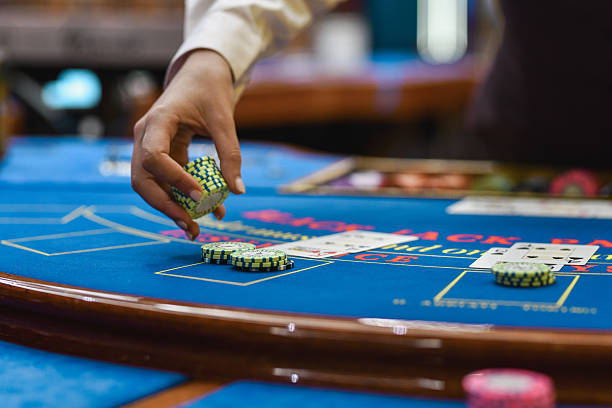
Warum Casino-Boni ohne Einzahlung wählen?

Die Entscheidung, einen Casino-Bonus ohne Einzahlung zu nutzen, bietet zahlreiche Vorteile und ist besonders für neue Spieler von großer Bedeutung. Diese Boni ermöglichen es, eine Vielzahl von Spielen ohne finanzielles Risiko zu erkunden, während gleichzeitig die Chance auf echte Gewinne besteht. Zudem können Sie sich mit der Funktionsweise des Casinos vertrautmachen, bevor Sie persönlich Geld investieren.

Durch die Wahl eines Casinos, das attraktive Boni ohne Einzahlung anbietet, können Sie Ihr Spielerlebnis maximieren und die besten Spiele nach Ihren Vorlieben auswählen. Zögern Sie nicht, die verfügbaren Angebote zu nutzen und starten Sie noch heute Ihr Abenteuer in der Welt der Online-Casinos!

Casino Architecture


Casino architecture combines entertainment spaces with the practical requirements of a busy public building. A venue may contain gaming rooms, restaurants, lounges, and performance areas, each serving a different purpose within a connected floor plan.

Architects consider sight lines, entrances, ceiling heights, and the movement of visitors between activities. The appearance of a building can suggest a particular historical period or create an entirely contemporary identity through materials and lighting.

Within a larger property, this subject connects to services that visitors may not immediately notice. Staff schedules, delivery routes, storage areas, and cleaning routines all influence how a public space operates. Coordination between these activities helps the visible part of the venue remain consistent during both quiet hours and periods of heavier use.

Routine observation is an important part of managing this environment. Staff can note recurring questions, worn surfaces, difficult routes, or delays that are not obvious from a drawing. These observations provide a practical starting point for small improvements and help distinguish a temporary inconvenience from an issue that appears repeatedly.

There is no single arrangement that suits every destination. The age of the building, available floor area, surrounding transport, and mix of facilities all influence the choices available. A city property and a spacious resort may address similar needs through different layouts, even when they offer broadly comparable services to their visitors.

A successful layout supports both the recognizable character of the property and the ordinary tasks involved in running it. Its role becomes clearer when viewed alongside the rest of the building, including the routes, services, and staff activities that connect the individual area with the wider experience of visiting an entertainment property.

Casino Architecture


Casino architecture combines entertainment spaces with the practical requirements of a busy public building. A venue may contain gaming rooms, restaurants, lounges, and performance areas, each serving a different purpose within a connected floor plan.

Architects consider sight lines, entrances, ceiling heights, and the movement of visitors between activities. The appearance of a building can suggest a particular historical period or create an entirely contemporary identity through materials and lighting.

Within a larger property, this subject connects to services that visitors may not immediately notice. Staff schedules, delivery routes, storage areas, and cleaning routines all influence how a public space operates. Coordination between these activities helps the visible part of the venue remain consistent during both quiet hours and periods of heavier use.

Routine observation is an important part of managing this environment. Staff can note recurring questions, worn surfaces, difficult routes, or delays that are not obvious from a drawing. These observations provide a practical starting point for small improvements and help distinguish a temporary inconvenience from an issue that appears repeatedly.

There is no single arrangement that suits every destination. The age of the building, available floor area, surrounding transport, and mix of facilities all influence the choices available. A city property and a spacious resort may address similar needs through different layouts, even when they offer broadly comparable services to their visitors.

A successful layout supports both the recognizable character of the property and the ordinary tasks involved in running it. Its role becomes clearer when viewed alongside the rest of the building, including the routes, services, and staff activities that connect the individual area with the wider experience of visiting an entertainment property.

Casino Architecture


Casino architecture combines entertainment spaces with the practical requirements of a busy public building. A venue may contain gaming rooms, restaurants, lounges, and performance areas, each serving a different purpose within a connected floor plan.

Architects consider sight lines, entrances, ceiling heights, and the movement of visitors between activities. The appearance of a building can suggest a particular historical period or create an entirely contemporary identity through materials and lighting.

Within a larger property, this subject connects to services that visitors may not immediately notice. Staff schedules, delivery routes, storage areas, and cleaning routines all influence how a public space operates. Coordination between these activities helps the visible part of the venue remain consistent during both quiet hours and periods of heavier use.

Routine observation is an important part of managing this environment. Staff can note recurring questions, worn surfaces, difficult routes, or delays that are not obvious from a drawing. These observations provide a practical starting point for small improvements and help distinguish a temporary inconvenience from an issue that appears repeatedly.

There is no single arrangement that suits every destination. The age of the building, available floor area, surrounding transport, and mix of facilities all influence the choices available. A city property and a spacious resort may address similar needs through different layouts, even when they offer broadly comparable services to their visitors.

A successful layout supports both the recognizable character of the property and the ordinary tasks involved in running it. Its role becomes clearer when viewed alongside the rest of the building, including the routes, services, and staff activities that connect the individual area with the wider experience of visiting an entertainment property.

Casino Architecture


Casino architecture combines entertainment spaces with the practical requirements of a busy public building. A venue may contain gaming rooms, restaurants, lounges, and performance areas, each serving a different purpose within a connected floor plan.

Architects consider sight lines, entrances, ceiling heights, and the movement of visitors between activities. The appearance of a building can suggest a particular historical period or create an entirely contemporary identity through materials and lighting.

Within a larger property, this subject connects to services that visitors may not immediately notice. Staff schedules, delivery routes, storage areas, and cleaning routines all influence how a public space operates. Coordination between these activities helps the visible part of the venue remain consistent during both quiet hours and periods of heavier use.

Routine observation is an important part of managing this environment. Staff can note recurring questions, worn surfaces, difficult routes, or delays that are not obvious from a drawing. These observations provide a practical starting point for small improvements and help distinguish a temporary inconvenience from an issue that appears repeatedly.

There is no single arrangement that suits every destination. The age of the building, available floor area, surrounding transport, and mix of facilities all influence the choices available. A city property and a spacious resort may address similar needs through different layouts, even when they offer broadly comparable services to their visitors.

A successful layout supports both the recognizable character of the property and the ordinary tasks involved in running it. Its role becomes clearer when viewed alongside the rest of the building, including the routes, services, and staff activities that connect the individual area with the wider experience of visiting an entertainment property.

Casino Outdoor Spaces


Casino outdoor spaces extend a property beyond its enclosed rooms. Gardens, terraces, covered walkways, courtyards, and seating areas can offer different settings for visitors and connect separate buildings within a larger resort.

Their design responds to sunlight, rain, wind, and seasonal changes. Landscaping and outdoor furniture require maintenance routines that differ from those used indoors, while paths must remain easy to follow when visitor numbers increase.

The experience of a space can change with the time of day and the number of people present. An arrangement that feels spacious during a quiet afternoon may need more active management before an evening event. Observing ordinary patterns of use provides useful information about where additional signs, assistance, or room may be needed.

Routine observation is an important part of managing this environment. Staff can note recurring questions, worn surfaces, difficult routes, or delays that are not obvious from a drawing. These observations provide a practical starting point for small improvements and help distinguish a temporary inconvenience from an issue that appears repeatedly.

The most informative assessment considers the entire journey through the property. A comfortable room can still be difficult to use if it is poorly signposted, and a clear entrance can lead to confusing internal routes. Looking at these connections gives a fuller picture than judging individual features entirely in isolation.

An outdoor area becomes part of the overall experience when its appearance and practical operation receive consistent attention. Looking at the subject in this broader context helps explain why apparently small decisions can matter to several departments and why practical arrangements deserve attention alongside the more visible features of a venue.

Casino Outdoor Spaces


Casino outdoor spaces extend a property beyond its enclosed rooms. Gardens, terraces, covered walkways, courtyards, and seating areas can offer different settings for visitors and connect separate buildings within a larger resort.

Their design responds to sunlight, rain, wind, and seasonal changes. Landscaping and outdoor furniture require maintenance routines that differ from those used indoors, while paths must remain easy to follow when visitor numbers increase.

The experience of a space can change with the time of day and the number of people present. An arrangement that feels spacious during a quiet afternoon may need more active management before an evening event. Observing ordinary patterns of use provides useful information about where additional signs, assistance, or room may be needed.

Routine observation is an important part of managing this environment. Staff can note recurring questions, worn surfaces, difficult routes, or delays that are not obvious from a drawing. These observations provide a practical starting point for small improvements and help distinguish a temporary inconvenience from an issue that appears repeatedly.

The most informative assessment considers the entire journey through the property. A comfortable room can still be difficult to use if it is poorly signposted, and a clear entrance can lead to confusing internal routes. Looking at these connections gives a fuller picture than judging individual features entirely in isolation.

An outdoor area becomes part of the overall experience when its appearance and practical operation receive consistent attention. Looking at the subject in this broader context helps explain why apparently small decisions can matter to several departments and why practical arrangements deserve attention alongside the more visible features of a venue.

Casino Art Collections


Casino art collections introduce paintings, sculpture, installations, and decorative objects into hospitality spaces. Works may appear in entrances, corridors, restaurants, or dedicated display areas, contributing to the visual character of the property.

Placement involves more than choosing an empty wall. Lighting, viewing distance, cleaning access, and the surrounding flow of visitors all affect how an object is experienced and how easily it can be cared for.

The relationship between appearance and function is especially important in a frequently used venue. Decorative choices contribute to character, but the same materials and objects must also withstand cleaning, movement, and repeated handling. A design can remain attractive for longer when maintenance requirements are considered before the space begins operating.

Operational records support continuity between shifts and departments. A clear description of a task or an unresolved issue allows the next person to continue the work without reconstructing the entire situation. The value of such records depends on relevant details, consistent terminology, and a clear indication of who is responsible for follow-up.

There is no single arrangement that suits every destination. The age of the building, available floor area, surrounding transport, and mix of facilities all influence the choices available. A city property and a spacious resort may address similar needs through different layouts, even when they offer broadly comparable services to their visitors.

An art collection becomes part of the setting when presentation and upkeep are considered alongside the selection of individual works. Over time, changes in visitor patterns and service arrangements may call for adjustments, making regular observation a useful complement to the original design and to the procedures established when a facility first opens.

Casino Art Collections


Casino art collections introduce paintings, sculpture, installations, and decorative objects into hospitality spaces. Works may appear in entrances, corridors, restaurants, or dedicated display areas, contributing to the visual character of the property.

Placement involves more than choosing an empty wall. Lighting, viewing distance, cleaning access, and the surrounding flow of visitors all affect how an object is experienced and how easily it can be cared for.

The relationship between appearance and function is especially important in a frequently used venue. Decorative choices contribute to character, but the same materials and objects must also withstand cleaning, movement, and repeated handling. A design can remain attractive for longer when maintenance requirements are considered before the space begins operating.

Operational records support continuity between shifts and departments. A clear description of a task or an unresolved issue allows the next person to continue the work without reconstructing the entire situation. The value of such records depends on relevant details, consistent terminology, and a clear indication of who is responsible for follow-up.

There is no single arrangement that suits every destination. The age of the building, available floor area, surrounding transport, and mix of facilities all influence the choices available. A city property and a spacious resort may address similar needs through different layouts, even when they offer broadly comparable services to their visitors.

An art collection becomes part of the setting when presentation and upkeep are considered alongside the selection of individual works. Over time, changes in visitor patterns and service arrangements may call for adjustments, making regular observation a useful complement to the original design and to the procedures established when a facility first opens.

Casino Art Collections


Casino art collections introduce paintings, sculpture, installations, and decorative objects into hospitality spaces. Works may appear in entrances, corridors, restaurants, or dedicated display areas, contributing to the visual character of the property.

Placement involves more than choosing an empty wall. Lighting, viewing distance, cleaning access, and the surrounding flow of visitors all affect how an object is experienced and how easily it can be cared for.

The relationship between appearance and function is especially important in a frequently used venue. Decorative choices contribute to character, but the same materials and objects must also withstand cleaning, movement, and repeated handling. A design can remain attractive for longer when maintenance requirements are considered before the space begins operating.

Operational records support continuity between shifts and departments. A clear description of a task or an unresolved issue allows the next person to continue the work without reconstructing the entire situation. The value of such records depends on relevant details, consistent terminology, and a clear indication of who is responsible for follow-up.

There is no single arrangement that suits every destination. The age of the building, available floor area, surrounding transport, and mix of facilities all influence the choices available. A city property and a spacious resort may address similar needs through different layouts, even when they offer broadly comparable services to their visitors.

An art collection becomes part of the setting when presentation and upkeep are considered alongside the selection of individual works. Over time, changes in visitor patterns and service arrangements may call for adjustments, making regular observation a useful complement to the original design and to the procedures established when a facility first opens.