
Cultural shifts how casinos shape modern society
The Evolution of Casinos in Society
Casinos have transformed from exclusive, high-stakes environments to accessible entertainment hubs for the masses. This evolution reflects broader societal changes, particularly the shift towards leisure and escapism in modern culture. Historically, casinos were often seen as luxurious venues reserved for the elite, but today they cater to a diverse audience, promoting inclusivity and social interaction. Many people are curious about best non Gamstop casinos as they navigate these exciting options.

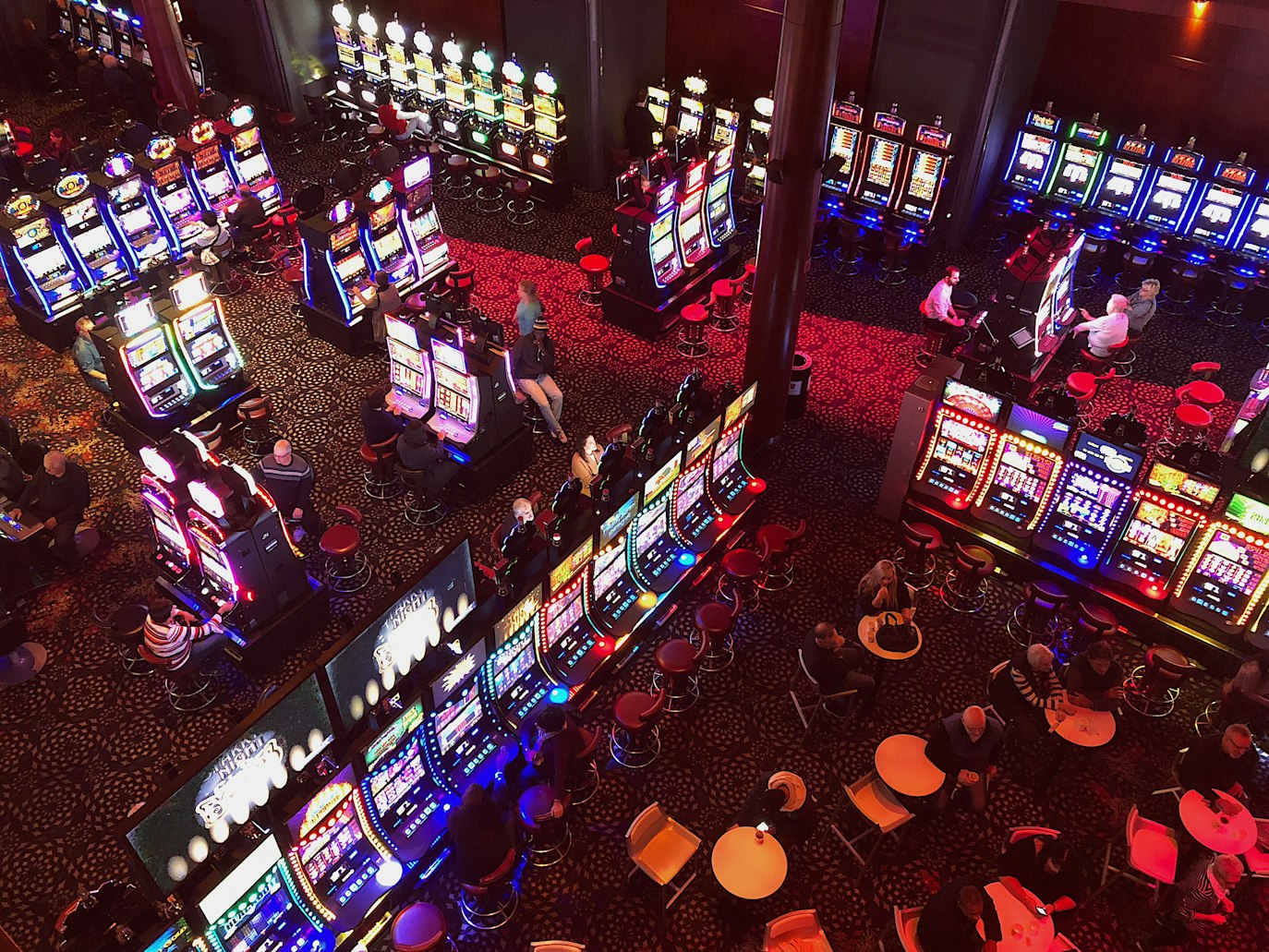
This accessibility has fueled the growth of the gaming industry, making casinos not just places to gamble but also centers for entertainment, dining, and nightlife. As cities embrace these entertainment complexes, they reshape local economies, attracting tourism and generating employment opportunities. This cultural shift indicates a growing acceptance of gambling as a legitimate form of leisure activity.
Impact on Social Norms and Values
Casinos play a significant role in altering social norms around gambling and risk-taking. In the past, gambling often carried a stigma, viewed as a vice or moral failing. However, as casinos have become mainstream, perceptions have shifted. Many now regard gambling as an exciting pastime, akin to sports or theater. This normalization of gambling reflects a broader acceptance of risk-taking behaviors in society.
Furthermore, the presence of casinos has sparked discussions on responsible gambling and the need for regulations. As more people engage with gaming, society becomes increasingly aware of the potential risks associated with gambling addiction. This duality of acceptance and caution highlights the ongoing dialogue about personal responsibility and the ethical implications of casino culture.
The Role of Technology in Casino Culture
Technology has revolutionized the casino experience, influencing how people engage with gaming. The rise of online casinos and mobile gaming has made gambling more accessible than ever. Players can now enjoy their favorite games from the comfort of their homes, leading to an increase in online participation. This shift has altered the traditional casino landscape, requiring physical establishments to adapt to these changes.
Moreover, technological advancements have introduced innovative gaming experiences, such as virtual reality and augmented reality games. These developments not only enhance the thrill of gaming but also attract a younger demographic. The integration of technology into the casino experience reflects the changing preferences of consumers in a digital age, emphasizing the importance of convenience and interactivity.
Casinos as Cultural Icons
Casinos have emerged as cultural icons, symbolizing glamour, excitement, and the thrill of chance. Films, music, and literature often romanticize the casino experience, portraying it as a place of adventure and possibility. This cultural representation has contributed to the allure of casinos, drawing tourists and locals alike to these vibrant venues.
The design and architecture of casinos further enhance their status as cultural landmarks. Many casinos are designed to evoke a sense of wonder, featuring elaborate themes and artistic displays. This investment in aesthetics not only attracts visitors but also shapes the identity of the cities in which they reside, positioning them as key tourist destinations and integral parts of local culture.
Ensuring Security in the Casino Experience
As the casino industry evolves, so do the challenges associated with online and offline gaming environments. Security has become a paramount concern, with casinos implementing advanced measures to protect both their assets and their patrons. The integration of cybersecurity protocols ensures a safe and secure gambling experience, particularly in online platforms that are increasingly popular.
The commitment to maintaining a secure environment is crucial in fostering trust among users. By employing cutting-edge technology, casinos not only safeguard their operations but also enhance the overall user experience. This focus on security reflects the industry’s awareness of the need to balance entertainment with responsibility and safety, addressing potential concerns of both gamers and regulators alike.