
The Allure of Casino Games
The thrill of casino games stems from a mix of entertainment, risk, and the possibility of winning. This combination creates a unique psychological experience that attracts millions of players worldwide. From slot machines to poker tables, each game has its own set of rules and strategies that players must navigate, heightening the sense of engagement and excitement. In fact, many players even seek out vpn casinos to ensure they can enjoy gambling without restrictions, further emphasizing their dedication to this thrilling pastime. The bright lights, sounds of coins, and lively atmosphere further enhance this allure, creating an environment that stimulates the senses and encourages prolonged play.
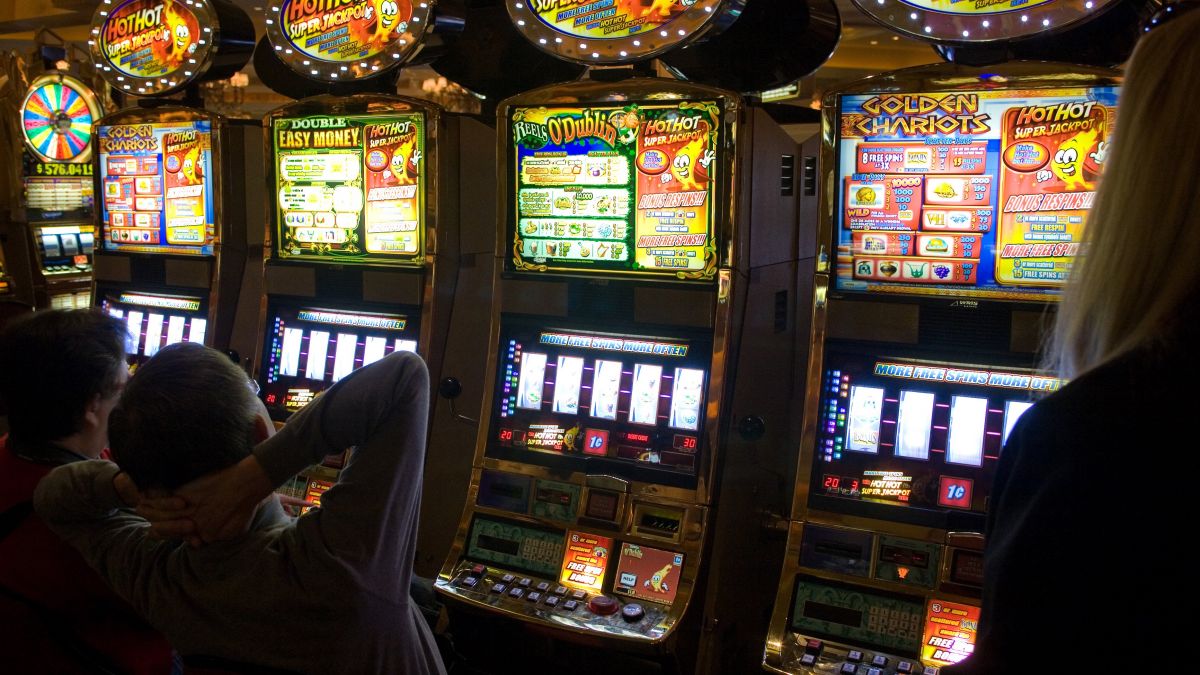
Moreover, the variability in potential outcomes results in what’s known as the “near-miss effect.” Players often find themselves drawn to situations where they almost win, triggering a confusing cocktail of emotions that keeps them coming back for more. Understanding this psychological draw highlights the intricate relationship between the game design and player behavior, as casinos capitalize on these emotional triggers to foster a captivating gaming environment.
The Role of Reinforcement in Gambling
Reinforcement theory plays a critical role in understanding gambler behavior. When players experience a win, it acts as positive reinforcement, encouraging them to continue playing. The intermittent schedule of rewards, such as hitting a jackpot or winning a hand in poker, reinforces the behavior of gambling. Even small wins contribute to a player’s desire to keep gambling, as they may perceive these victories as indicators of future success.
This cycle of reward and reinforcement creates a compelling framework for player engagement. The unpredictability of wins fuels excitement and suspense, which can lead to longer periods of play. For many, the thrill of the chase becomes a potent motivator, often overshadowing the risks associated with gambling. This understanding of reinforcement sheds light on why players frequently return to casinos, despite potential losses.
Cognitive Biases and Gambling
Cognitive biases heavily influence how players perceive their chances of winning and losing. For instance, the gambler’s fallacy leads individuals to believe that past results affect future outcomes, leading them to make irrational decisions. A player might think that after several losses, a win is “due,” which can perpetuate continued play, even in the face of mounting losses. These biases can cloud judgment and skew risk perception, making it crucial for players to understand their own thought processes.
Additionally, the availability heuristic can lead players to overestimate the frequency of their wins if they are more vividly recalled than their losses. This distorted perception contributes to the addictive nature of gambling, as players tend to focus on their victories while downplaying their defeats. By recognizing these cognitive biases, players may become more aware of their tendencies and make more informed decisions about their gambling behavior.
The Social Aspect of Gambling
Gambling is often viewed as a social activity, with many players enjoying the communal experience of being in a casino. Shared excitement, competition, and camaraderie with fellow players contribute significantly to the overall enjoyment of gaming. Social interactions, whether through conversations at the poker table or cheering for a friend’s slot machine win, can enhance the experience, prompting players to return for both the games and the company.
Moreover, the social aspect can lead to a phenomenon known as “groupthink,” where individuals feel pressured to conform to the behaviors and attitudes of those around them. This can result in heightened gambling activity, as players may feel compelled to keep up with the group. Recognizing this social dynamic is essential for understanding player behaviors, as it adds another layer to the complexity of gambling psychology.

Exploring Online Gambling and Its Impact on Player Behavior
Online casinos and gambling platforms have transformed the landscape of player behavior, offering unprecedented accessibility and convenience. With just a few clicks, players can engage in a wide variety of games from the comfort of their homes. This ease of access can lead to increased gambling frequency and duration, as players can easily indulge their impulses without the limitations of physical casinos.
Furthermore, the anonymity provided by online gambling can reduce perceived social stigma and enable riskier behaviors. Players may feel emboldened to take chances they might avoid in a public setting, leading to possible compulsive gambling. As the online gambling environment evolves, understanding these shifts in player behavior becomes crucial for promoting responsible gaming practices and developing strategies for mitigating risks associated with online betting.